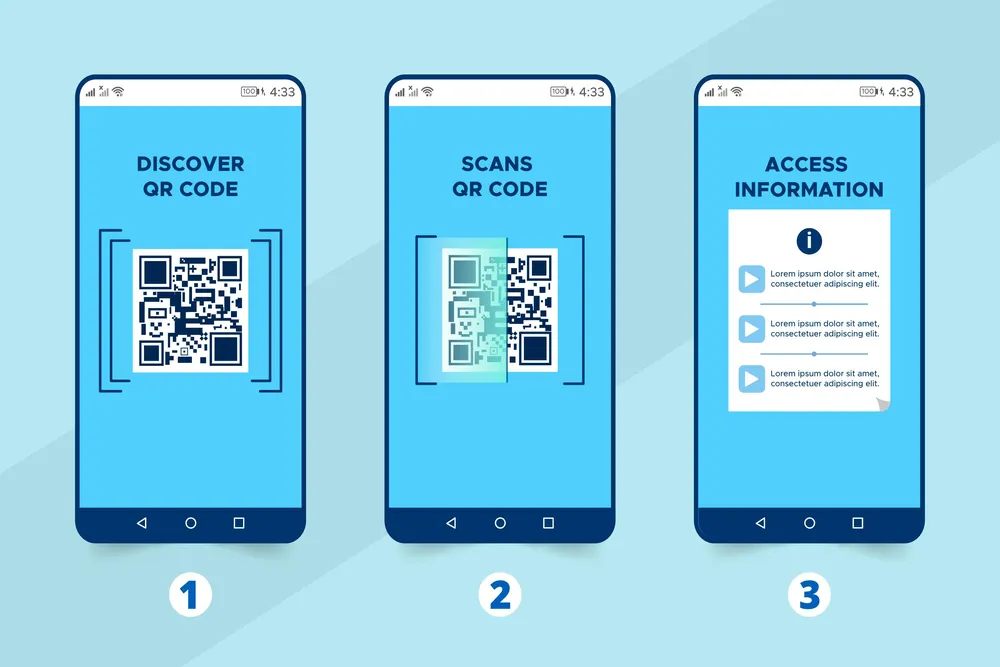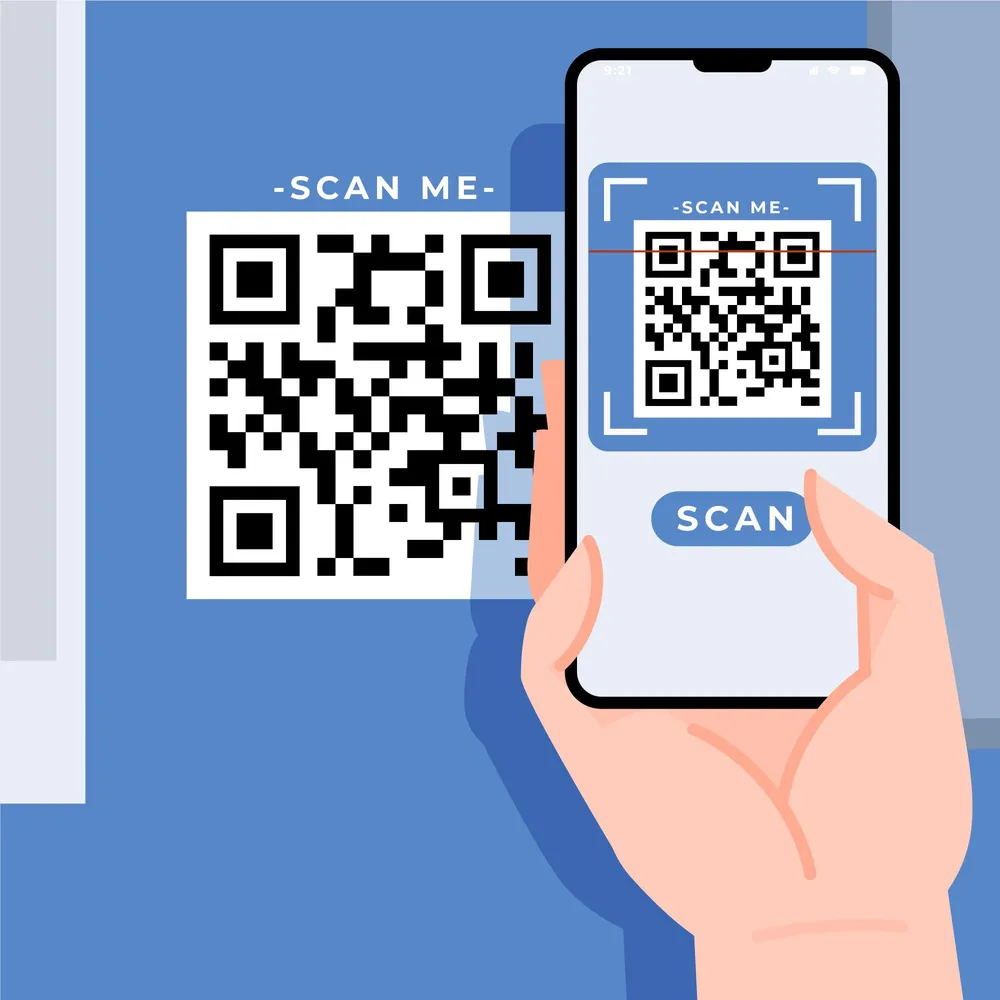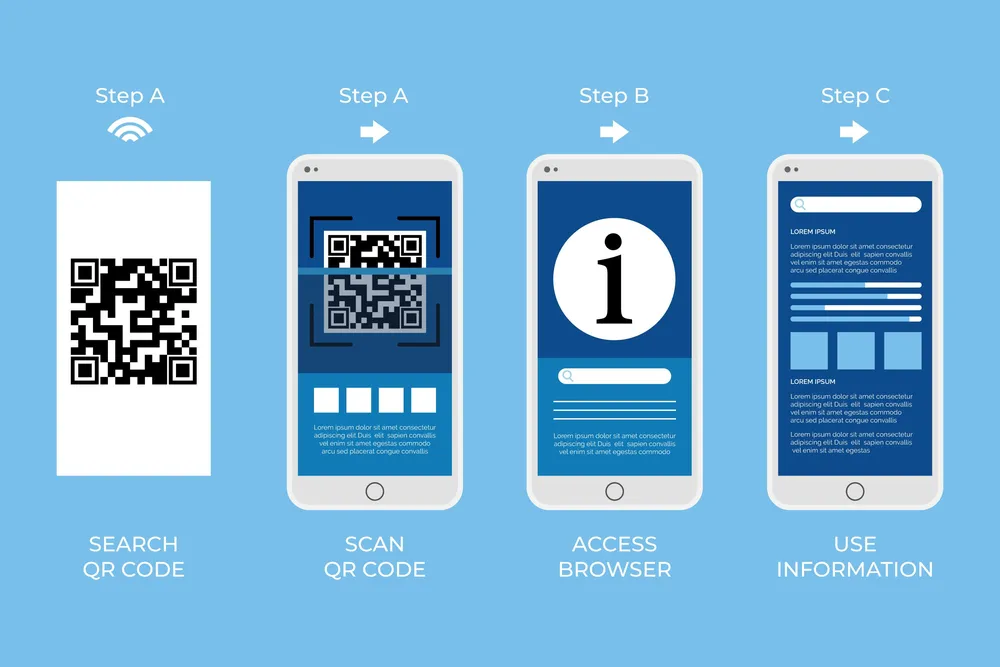
QR codes—short for Quick Response codes—are everywhere now. You see them on menus, on billboards, and even on the back of your cereal box. But for most people, they are just "magic squares." In reality, they are a sophisticated piece of industrial-grade mathematics that has survived 30 years of technological evolution. They are the definitive bridge between our physical reality and the digital universe.
In this guide, we are looking under the hood. We’ll explore where they came from, the physics of how they work, and why they are arguably the most robust way to connect with your customers in 2026.
1. The Origin Story: Tracking Toyota Parts
The QR code wasn't invented for marketing. It was invented in 1994 by Masahiro Hara at Denso Wave (a subsidiary of Toyota). The problem? Standard 1D barcodes (the lines you see on grocery items) could only hold about 20 characters of data. Toyota needed to track thousands of complex parts across a massive manufacturing line, and they needed a system that could be read at extremely high speeds, from any angle, and even if the part was covered in grease or oil.
Hara took inspiration from the black-and-white grid of the game "Go." By adding the three large "Finder Squares" in the corners, he allowed scanners to determine the orientation of the code instantly. Crucially, Denso Wave decided to keep the patent open-source, allowing the entire world to adopt the technology for free. This is why the QR code is the global standard today.
2. The Anatomy of a Scan: Deciphering the Pixels
When you point your camera at a branded code from TheQrify, the software is identifying several distinct zones in milliseconds:
- Finder Patterns: The three large squares that tell the phone "I am a QR code, and I am sitting at this specific angle."
- Alignment Patterns: Smaller squares that help the camera correct for perspective distortion (e.g., if you are scanning a code on a curved bottle).
- Timing Patterns: The dotted lines that tell the scanner the specific dimensions of the data grid.
- Quiet Zone: The essential white space surrounding the code that separates it from other design elements.
🧠 The Reed-Solomon Insurance Policy:
The most powerful feature of a QR code is Error Correction. The data is stored redundantly across the grid. This means a code can still be scanned perfectly even if 30% of it is missing or covered by a coffee stain. This is exactly what allows us to place your logo in the center of the code without breaking the link.
3. Why QR Codes Are Still Winning in 2026
Many technologies have tried to replace the QR code—NFC tags, Bluetooth beacons, and even Augmented Reality markers. But the QR code won because of its Low Barrier to Entry. An NFC tag costs money and requires hardware. A QR code can be printed on a cheap napkin or projected onto a skyscraper for free. As long as you have pixels and a camera, you have a bridge.
Master the Matrix
Now that you know the science, it's time to build your own masterpiece. Use TheQrify to generate a high-resolution, branded QR code that leverages professional error correction and industrial-grade reliability.
The 2026 Verdict: Why the Square Still Wins
The QR code is no longer a gimmick; it is the universal language of the "Phygital" world. By understanding the technical foundation—the sizing, the quiet zones, and the error correction—you can build interactions that are as reliable as they are beautiful. At TheQrify, we’re just getting started in making that language easier for everyone to speak.
 20 Oct 2025