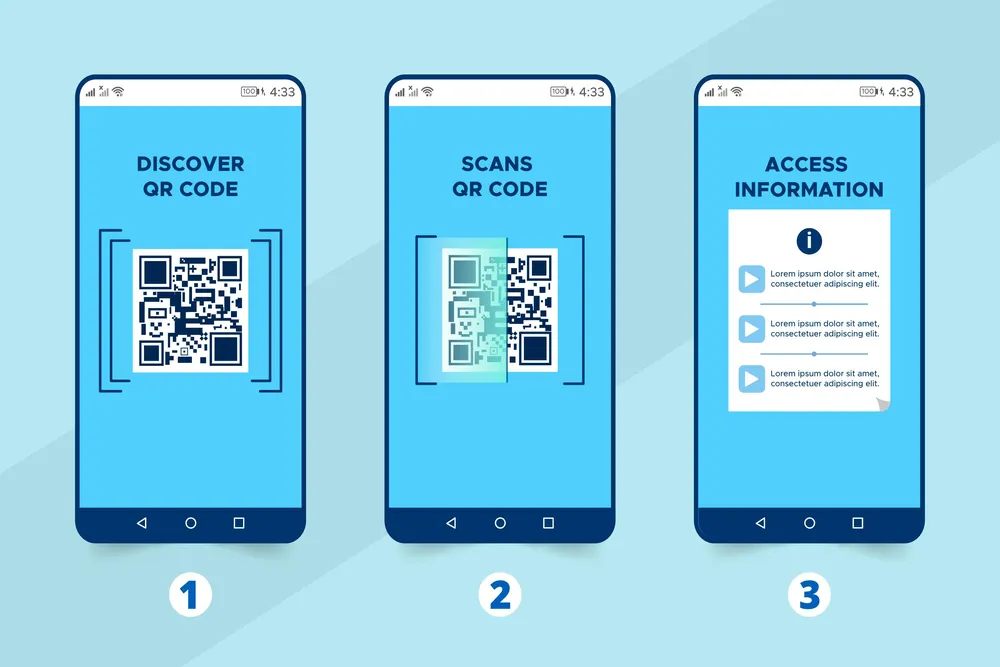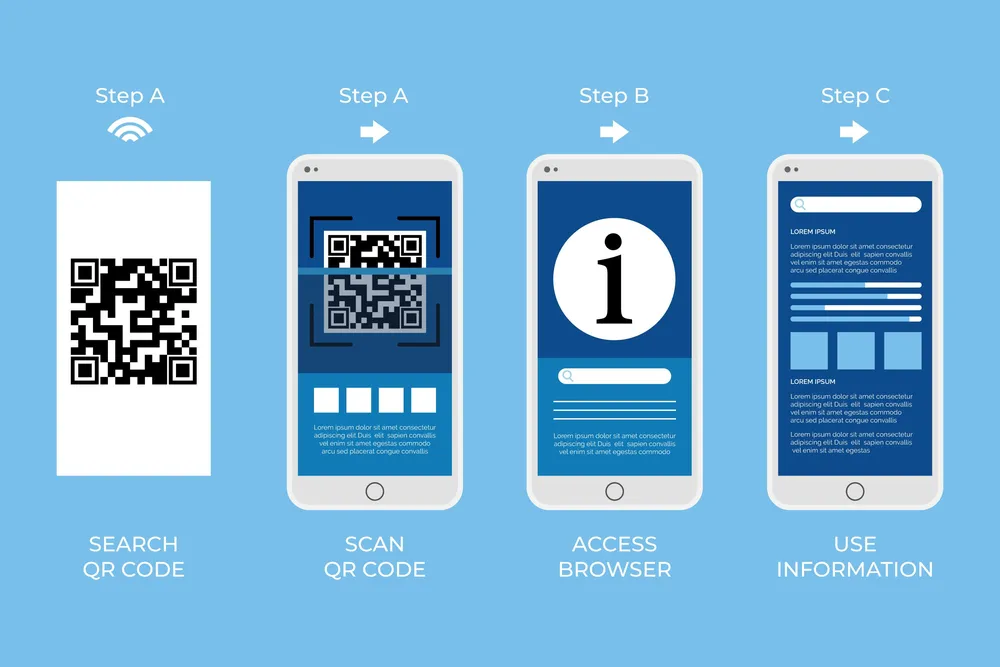
You’ve decided your business needs a QR code. You head to a generator, and you are immediately hit with a choice: Static or Dynamic? To the naked eye, they look exactly the same—a square pattern of black-and-white pixels. But under the hood, they are fundamentally different technologies. Picking the wrong one is the kind of mistake that only becomes apparent after you’ve already printed 5,000 flyers or spent thousands on a billboard campaign.
In this ultimate guide, we’re breaking down the physics, the logic, and the business case for both formats so you can make the right decision for your brand in 2026.
1. Static QR Codes: The "Eternal" Link
A static QR code is a direct translation of data. When you encode a URL like "https://yourwebsite.com" into a static code, that URL is "baked" directly into the pixel pattern. The data is the pattern. There is no middleman.
The Benefit: They are permanent. As long as your destination link exists, the code will scan forever. They are perfect for one-off information like a home WiFi password or a personal portfolio on a resume.
The Risk: You cannot "edit" a static code once it’s printed. If you change your website next month, or if you find a typo in the original link, the code is dead. You have to reprint everything. In a professional marketing context, this is a dangerous bottleneck.
2. Dynamic QR Codes: The "Relay" Powerhouse
A dynamic QR code works by using a "Short URL" or a redirect. Instead of encoding your full 100-character URL into the pixels, the code encodes a tiny, unique link from TheQrify. When a user scans the code, their phone hits our server for a fraction of a second, which then "paints" the user toward your actual destination.
The Professional Advantage:
- Unrivaled Editability: Change your destination URL anytime without reprinting.
- Real-Time Analytics: Track total scans, location data, and device types (iOS vs Android).
- Cleaner Design: Because the data is just a short link, the pattern stays low-density and easy to scan.
📊 The One-Percent Law:
If there is even a 1% chance that your link, your menu, or your social media profile might change in the next 12 months, go Dynamic. It is the only insurance policy for your physical marketing budget.
3. Making the Choice: Side-by-Side
| Feature | Static | Dynamic |
|---|---|---|
| Link Editability | No | Yes |
| Scan Analytics | No | Yes |
| Pattern Complexity | High (Dense) | Low (Clean) |
Build for Flexibility
Don't get locked into a broken link. Use TheQrify to create beautiful, branded QR codes that can adapt as your business grows. Create your first code in under 60 seconds.
 20 Oct 2025